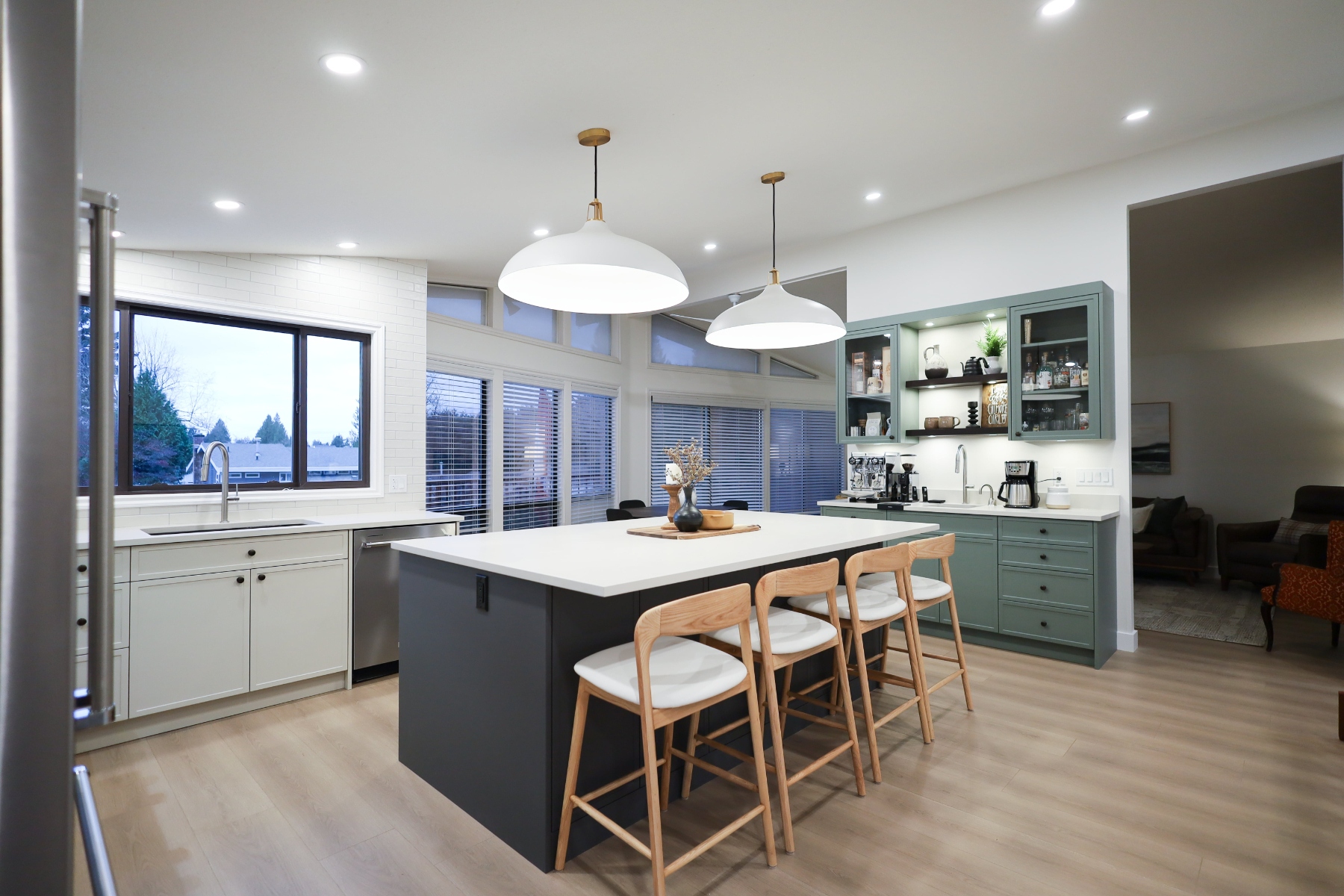
Color sets the tone and mood of any space, influencing how a room feels and how people experience it. Warm colors like reds and oranges can create energy and intimacy, while cool colors like blues and greens bring calm and relaxation. Choosing a color palette that aligns with your home’s purpose and your personal style is the first step in creating a cohesive interior design.
It’s also important to consider how colors interact with natural and artificial light. A shade that looks perfect in a showroom may feel completely different in your home. Working with an interior designer can help you select the right colors, balance bold and neutral tones, and ensure your palette enhances the overall atmosphere of your space.
Adding Depth with Texture
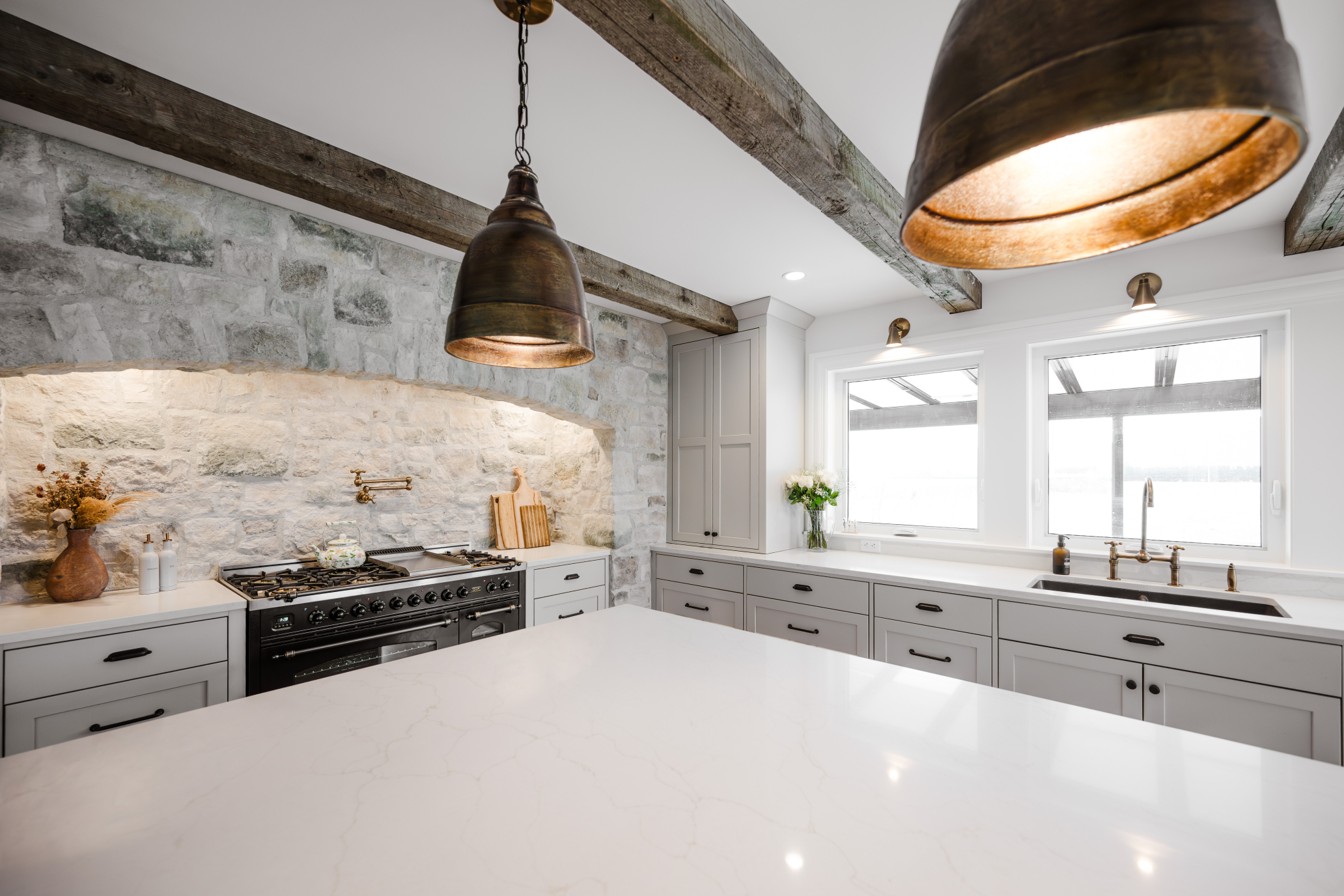
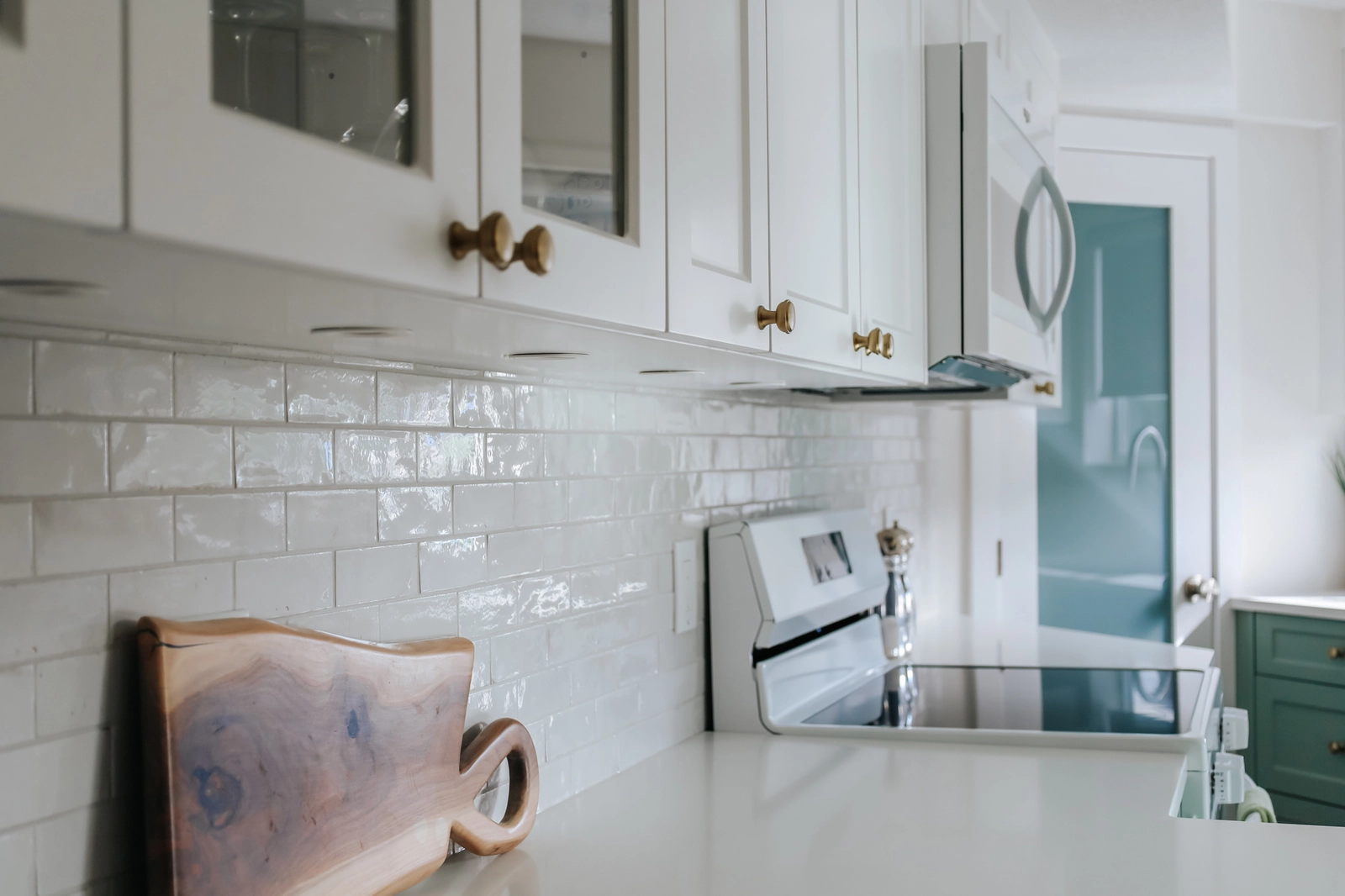
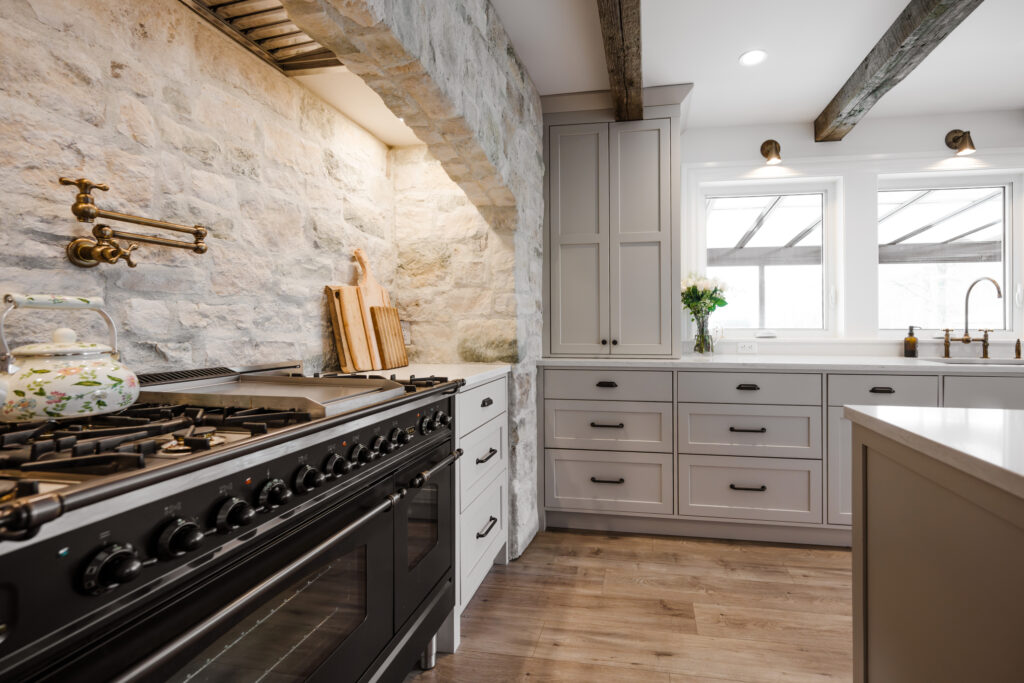
Texture adds dimension, warmth, and personality to interiors. Incorporating different textures—like soft fabrics, rough wood, smooth metals, or patterned tiles—creates a tactile and visually interesting environment. Texture also helps define different areas of a room and can make a space feel more layered and inviting.
Mixing textures doesn’t have to be complicated. Start with a base texture, like wood flooring or a neutral sofa, and layer in contrasting materials through rugs, cushions, wall treatments, or furniture. A designer can guide these choices to ensure the textures work harmoniously, giving your home depth and character without overwhelming the space.
The Role of Light
Lighting is one of the most transformative elements in interior design. Natural light can make a room feel airy and open, while strategically placed artificial lighting highlights features, creates ambiance, and supports functionality. Considering lighting early in the design process ensures that every space is both beautiful and practical.
Combining different types of lighting—ambient, task, and accent—creates a balanced environment that adapts to your needs throughout the day. Designers can suggest the right fixtures, placement, and brightness levels to enhance both the aesthetics and usability of your space, making light a true design feature rather than just a utility.
Bringing It All Together
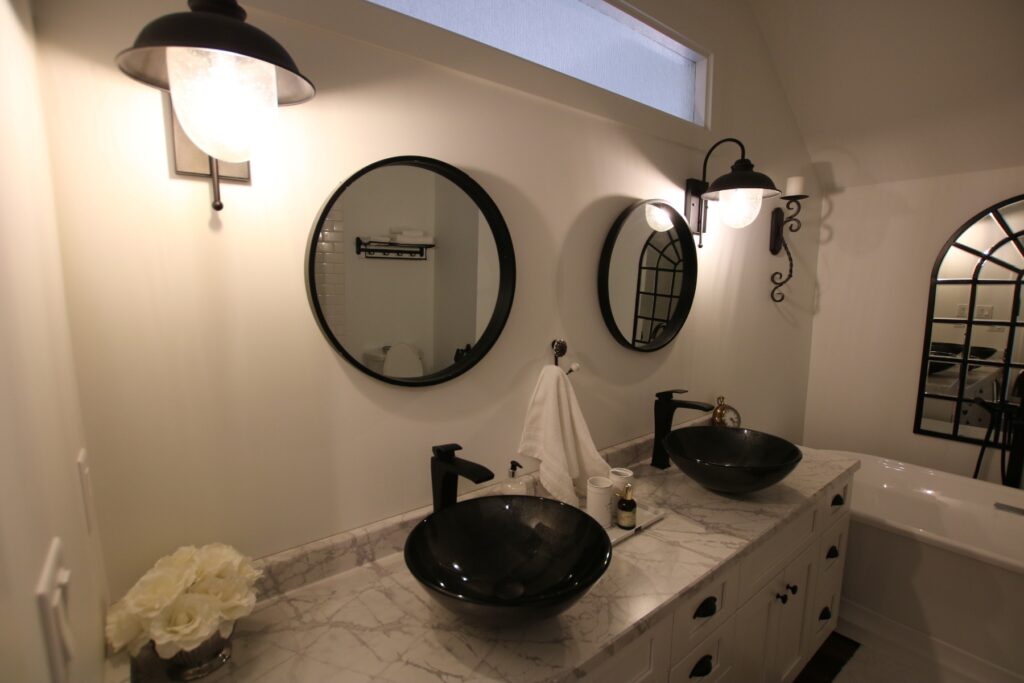
When color, texture, and light work together, the result is a harmonious and inviting interior that reflects your style and enhances your lifestyle. Balancing these three elements creates rooms that are visually appealing, functional, and emotionally satisfying.
If you enjoyed learning about the basics of great interior design, we would like to warmly invite you to check out our other blog posts, where we dive into similar topics, just like this one!